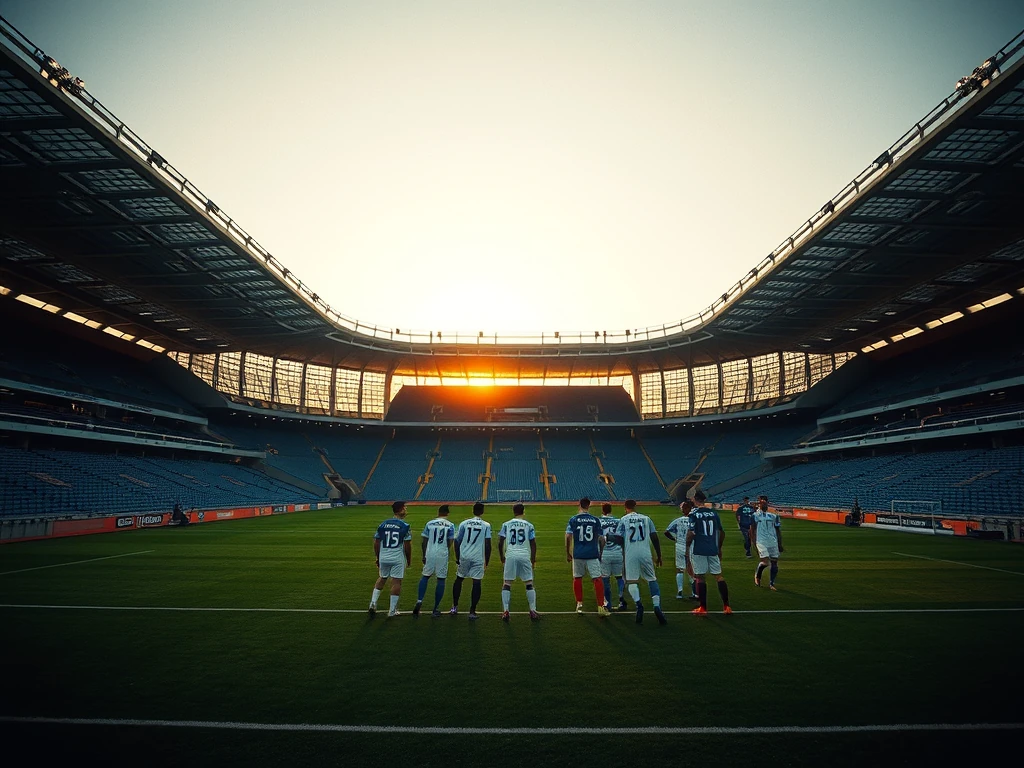
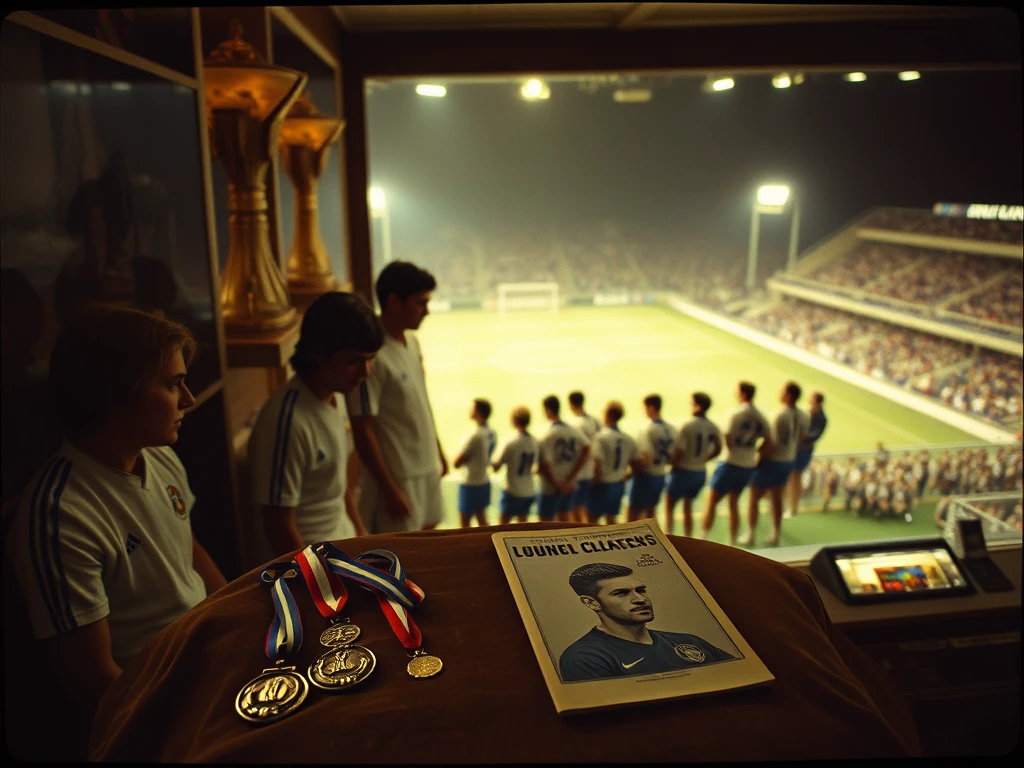
The history of AJ Auxerre is marked by memorable moments, but few are as significant as the club's transformation in the 1980s. At that time, AJA, founded in 1905, was not yet the feared entity it would become. The club was handling between divisions, desperately seeking an identity and success that eluded it.
This quest for recognition took a decisive turn with the arrival of Guy Roux, a man whose name is now synonymous with success at Auxerre. As head coach, Roux brought a clear vision and an unwavering passion that would propel AJA to new heights. Under his leadership, the club began to structure itself, invest in youth development, and cultivate an attractive style of play that captivated supporters.
One of the key moments of this ascent was winning the D2 championship in 1980. This success allowed AJA to return to the top flight, but it was only the beginning. The following season, AJA finished in an impressive 4th place in Ligue 1, an achievement that established the club as a serious contender in the landscape of French football. This performance also helped draw a new audience to the Stade de l'Abbé-Deschamps, a venue that would soon resonate with the team's exploits.
The 1980s were also marked by promising talents such as young striker Éric Cantona, who made his debut with AJA before becoming a global star. His time at the club, though brief, was emblematic of Auxerre's rise, attracting attention to the club's ability to develop world-class players.
The pinnacle of this transformation was undoubtedly the 1995-1996 season, when AJA won its first French championship title. While this moment is often celebrated, it's essential to remember that this success was the result of a lengthy period of hard work, dedication, and a clear vision.
In hindsight, the 1980s laid the foundation for Auxerre's future success. Without the sacrifices and efforts of this key decade, AJA might not have been able to seize the opportunities that arose later. Today, as the club continues to handle the highs and lows of modern football, its legacy and rich history remain an inspiration for future generations of supporters and players.
AJA is not only a football club; it is an institution that embodies the spirit of struggle and aspiration, proving that even the most modest can achieve great things through determination and passion.